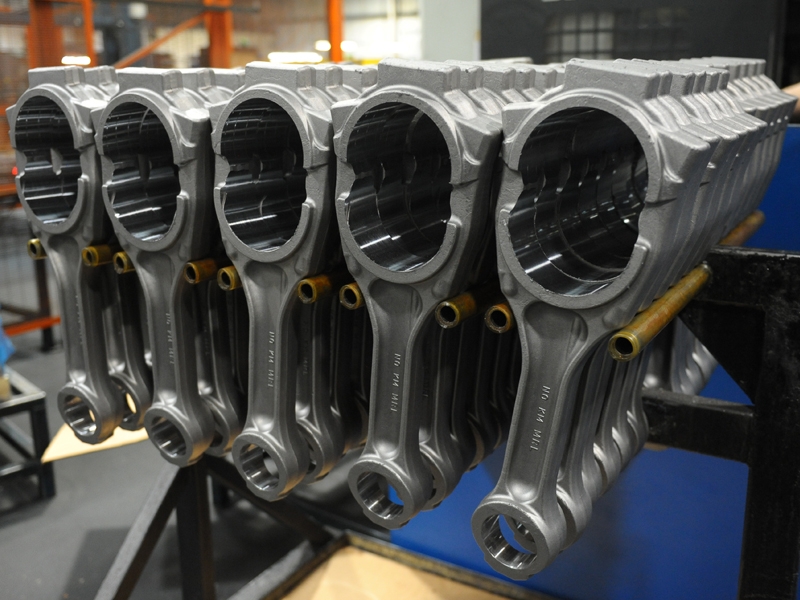
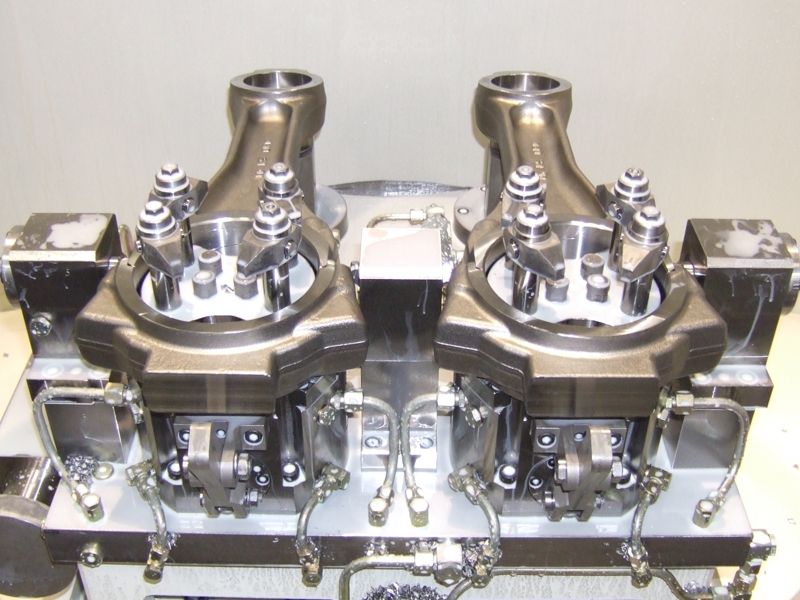
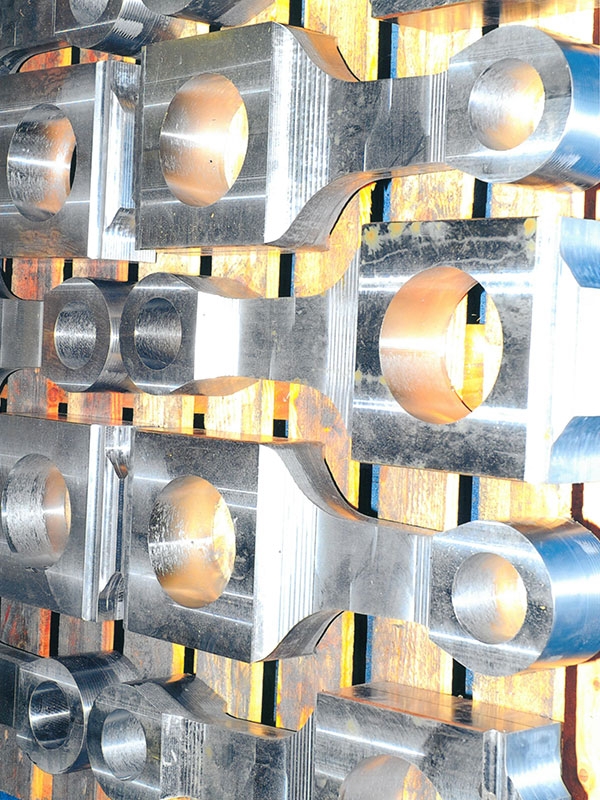
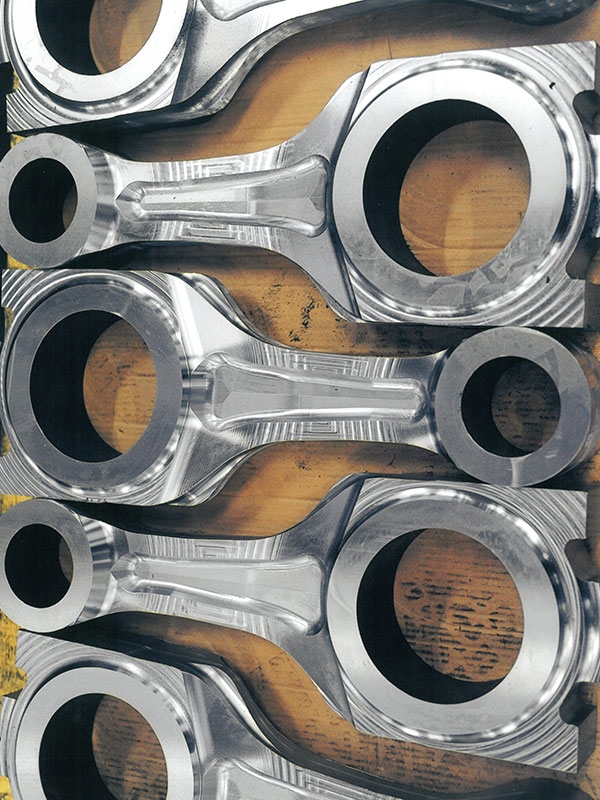
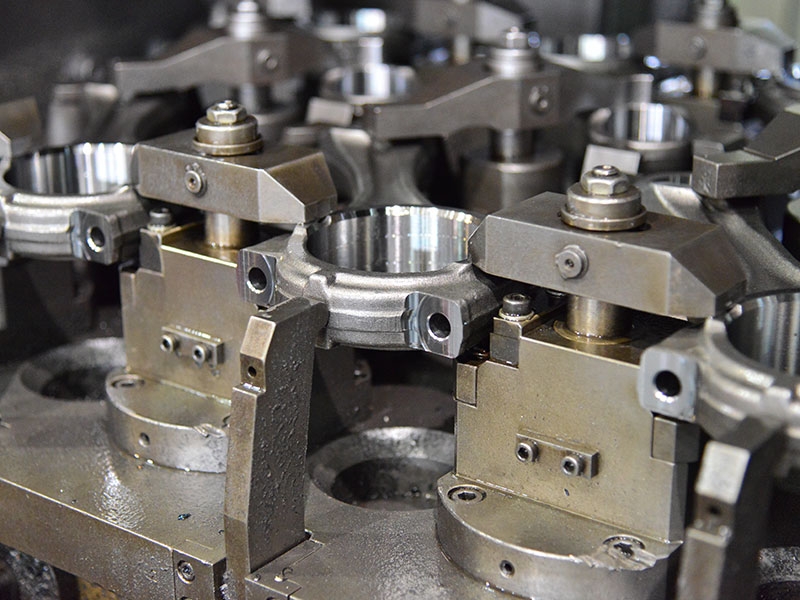
The connecting rod, commonly called the Conn-Rod, is a crucial component of the internal combustion engine. Its primary function is to link the crankshaft and pistons, facilitating the necessary distance and movement between these two engine parts.
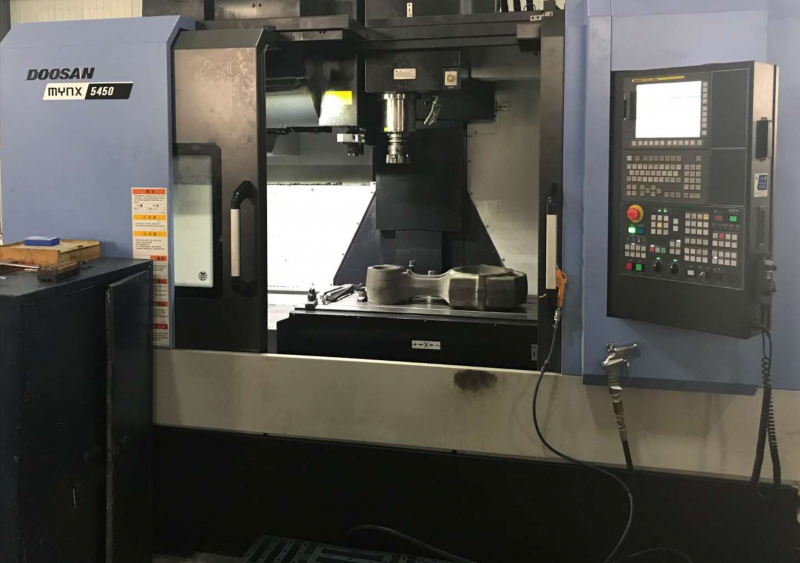
Typically, manufacturers produce the Conn-Rod through drop forging using a combination of steel alloys. The specific steel alloy grade can vary depending on the connecting rod design; for instance, a fracture-split design may require a different alloy. In some cases, manufacturers machine prototype parts from a single steel billet to customize the Conn-Rod for specific engine designs before creating forging dies for mass production.
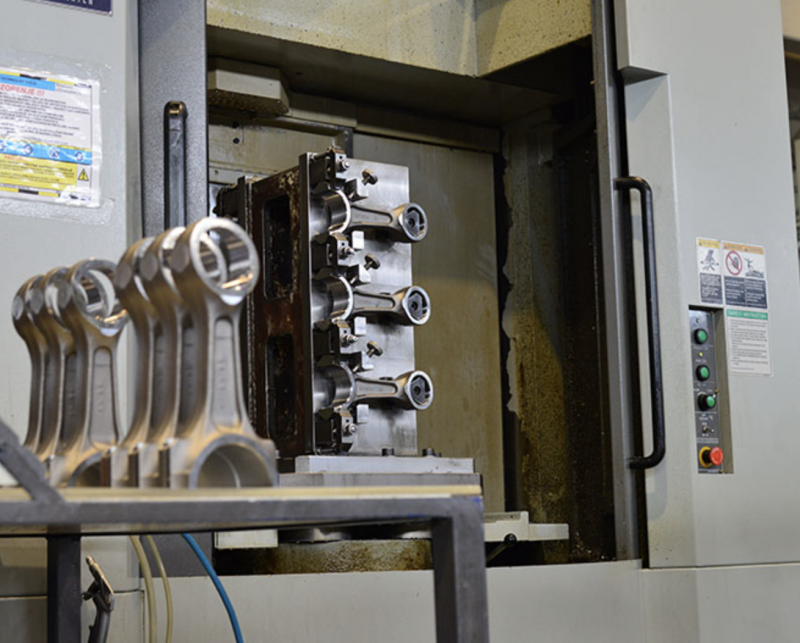
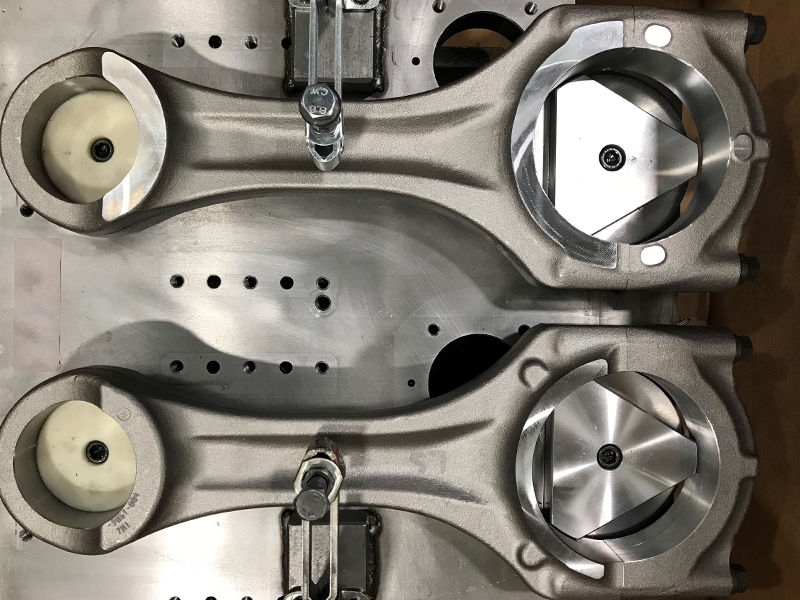
The Conn-Rod's design and manufacturing process are essential to its durability and the engine's overall performance. It features two main ends: the large end, which connects to the crankshaft, and the small end, which attaches to a piston via a gudgeon pin. Precise dimensions at these ends are critical to ensure maximum engine efficiency.
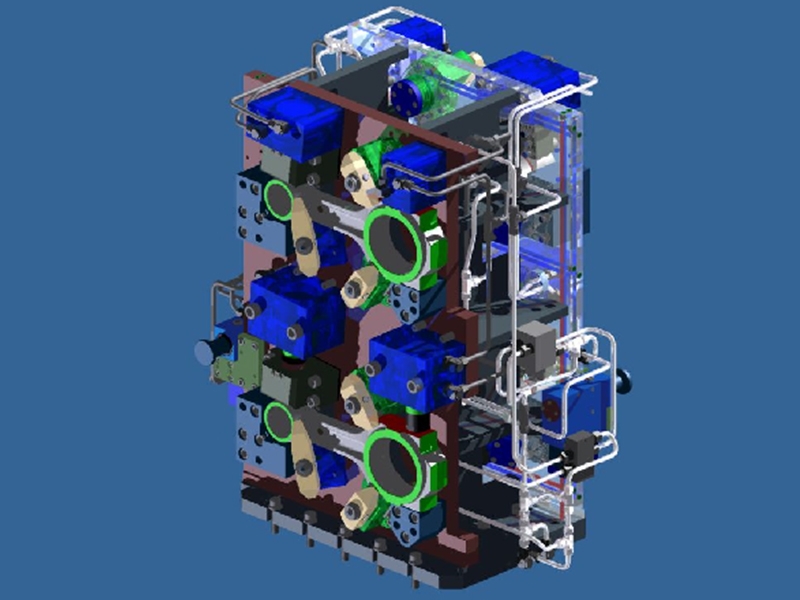
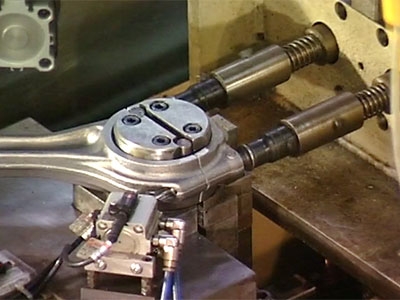
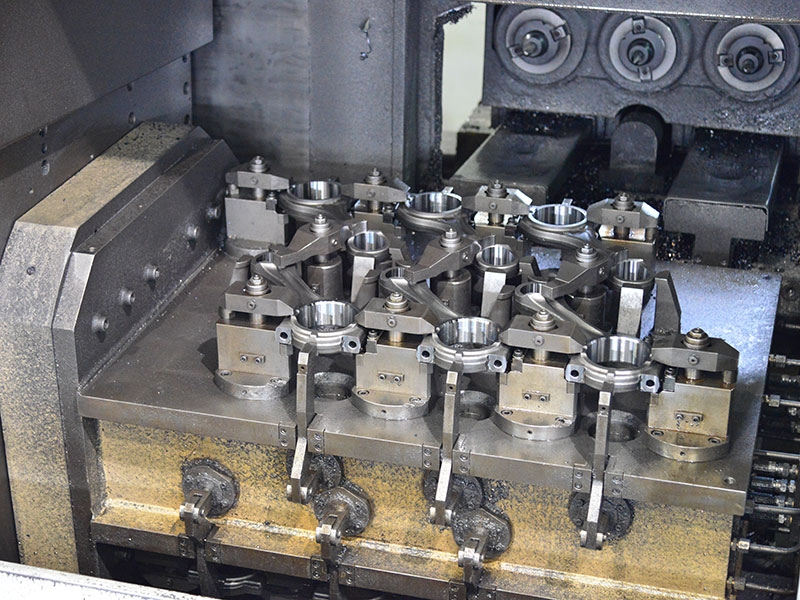
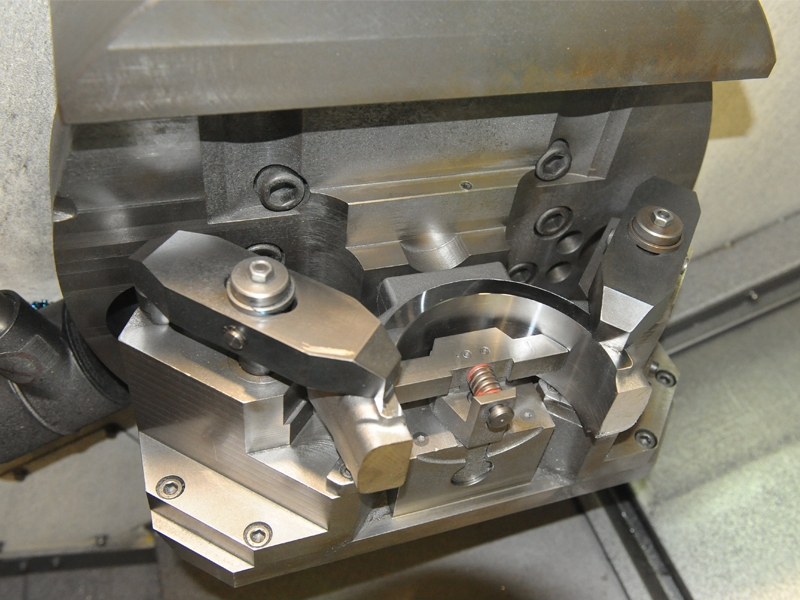
Other important factors in producing and assembling the Conn-Rod include meticulous attention to machining the bore pitch. This detail ensures smooth assembly during the engine production process and contributes to optimal engine performance.